


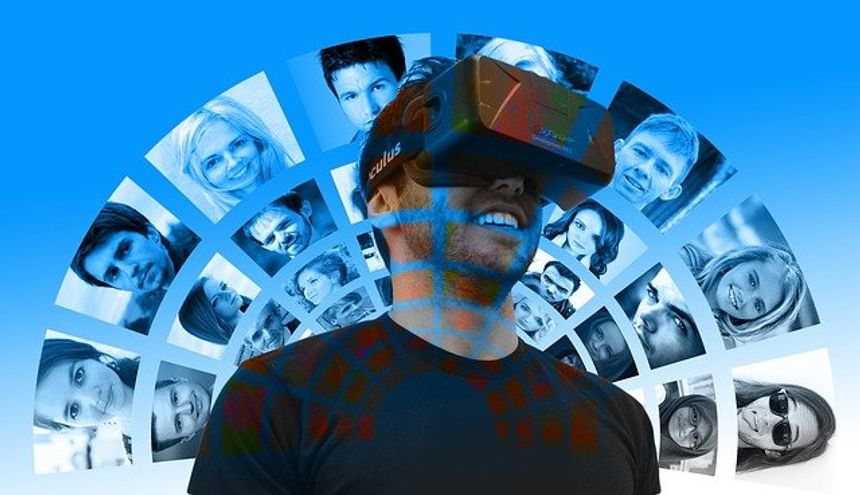
Microsoft's Mesh service is an effort to unify the various virtual reality applications and devices in one platform. The sky's the limit when it comes to potential applications for work and play.
What about the courtroom? Hearings by video could involve live testimony and demonstrations enhanced by VR technology. Security measures will be needed to prevent fraud and other trickery, but VR will find its way into judicial proceedings. Videorecorded testimony has been accepted for decades, and now remote argument and testimony are becoming commonplace.
It's only natural that we'll soon be "holoporting" into the courtroom. One application of VR that's more than just gee-whiz--disabled citizens who can't comfortably participate in jury service, despite federal laws for their protection, will soon find their way in by avatar and be accepted as just one of the pool.
/Passle/5fe0c4f453548a10fc881e09/MediaLibrary/Images/2025-10-09-14-47-09-526-68e7caed09520928935393cf.png)
/Passle/5fe0c4f453548a10fc881e09/SearchServiceImages/2025-09-30-13-12-56-565-68dbd758f6347a2c4b9a81ab.jpg)
/Passle/5fe0c4f453548a10fc881e09/SearchServiceImages/2025-09-02-15-10-27-674-68b708e3a631091b7967ef21.jpg)